On the Streets, Part One
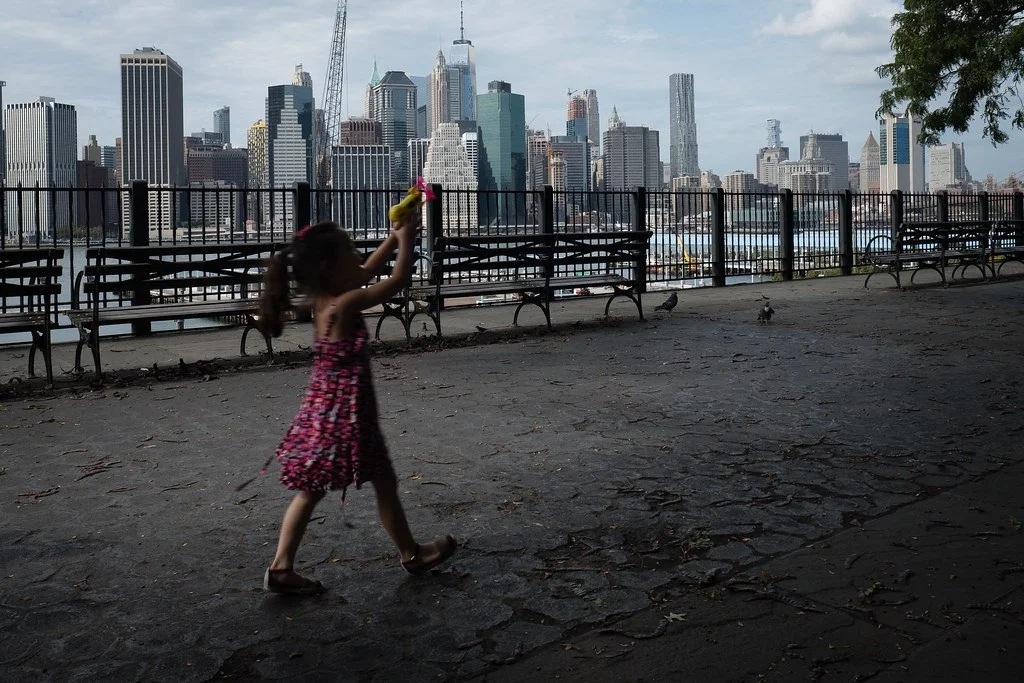
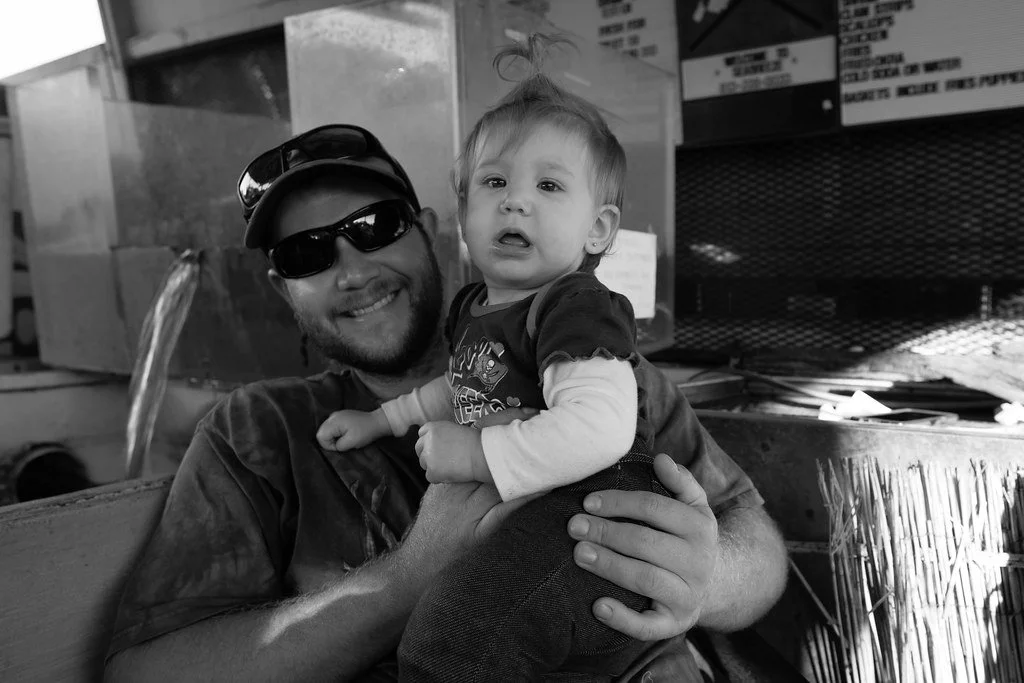
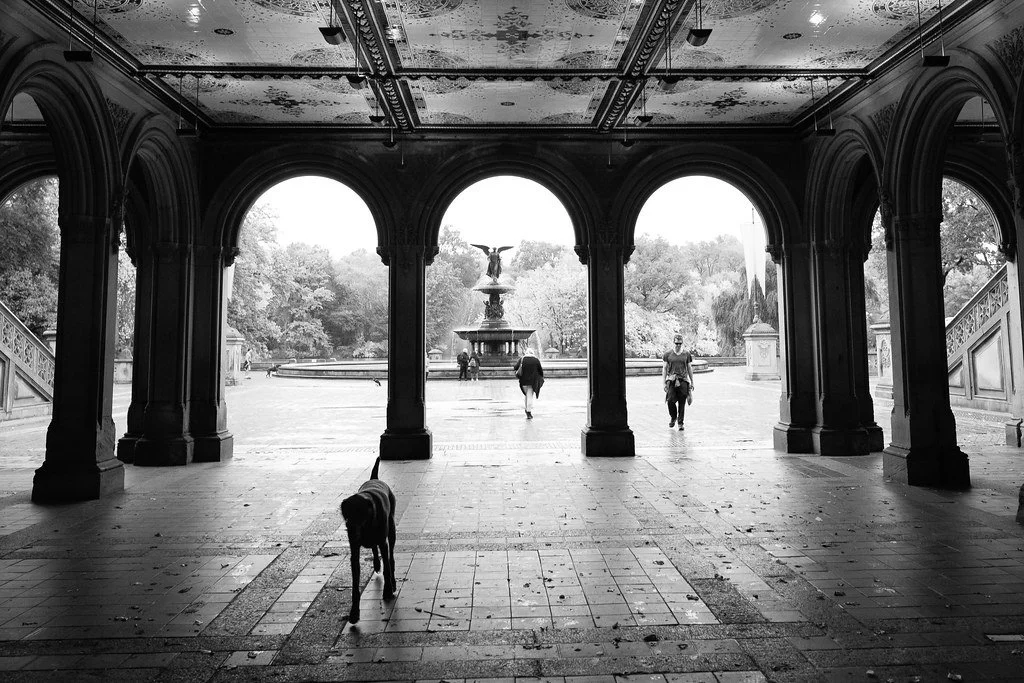
On September 1, 2017, I bought a Fuji X-T20 and a Fujinon XF35mmF1.4 lens. I know this because I posted some of the images I took with that camera to a Flickr page with the idea of sharing what I was up to with friends and family. I don’t think anyone took much interest, though. The upshot is that Flickr retained the metadata about the images I uploaded. The thumbnail image for this post—which is one of my favorite images, and which Gina criticized because the little girl is blurry in the shot—was taken with a Fujinon XF16mmF1.4 R WR, which apparently I used a lot. This is weird because these days I shoot almost exclusively with 50mm.
I loved that camera and I’m sure I’d use it now if I still had it. eI bought it to replace the Voigtlander 35mm rangefinder I’d been using that I also loved, but which was fragile and frustrating to use because I am terrible at loading film. I shot an embarrassing number of rolls with that camera that never came out because I hadn’t loaded the film correctly. I did successfully expose some images with that camera that I’ll scan and share bit later.
The upshot of having used the Voigtlander rangefinder is that I discovered Voigtlander lenses. These are some of the most beautiful lenses money can buy. They make them with mounts for lots of camera systems—I use them on my Sony now—and they’re relatively inexpensive. The only potential problem is that they are manual focus, but this allows for the creation of images that are less sharp than what you’ll get with modern autofocus lenses—not because the lenses aren’t sharp, but because manual focus allows for “user error” in focusing. If you’re looking for a manual focus lens to add to your gear, get a Voigtlander. If you are Voigtlander and you want to sponsor me, I am ready to sign the paperwork.
The biggest problem I had with photography at the time—other than with loading film—didn’t have anything to do with cameras or lenses. It had to do with me. I had know idea what to shoot, which is to say I was in some strange form of denial about what I really wanted to shoot. I thought I wanted to do street photography. I was living in New York City and traveling pretty regularly to London and street photography seemed like the thing to do. I knew just enough about the history of photography to be aware that street photography was a thing—Garry Winowgrand’s photos were my favorite—and I liked being outside, so I hit the streets.
I definitely took the Voigtlander across the New York Harbor on the Staten Island Ferry and failed to take photos because of the film problem. I walked with the same camera all around Bay Ridge, Brooklyn, where Gina and I were living and where I managed to successfully expose a few images. And I took that camera around London while we were laid over there on our way to Botswana. Botswana, I learned, had none of the bustling open air markets I thought of when I imagined street photography in Africa. At least, not where we stayed in the Okavango Delta. And the 35mm lens I was using was particularly terrible for taking photos on safari. I did, however, get a couple of photos of women that I love and that I’m lucky enough to have in a photo album Gina insisted on bringing with us to Southeast Asia.
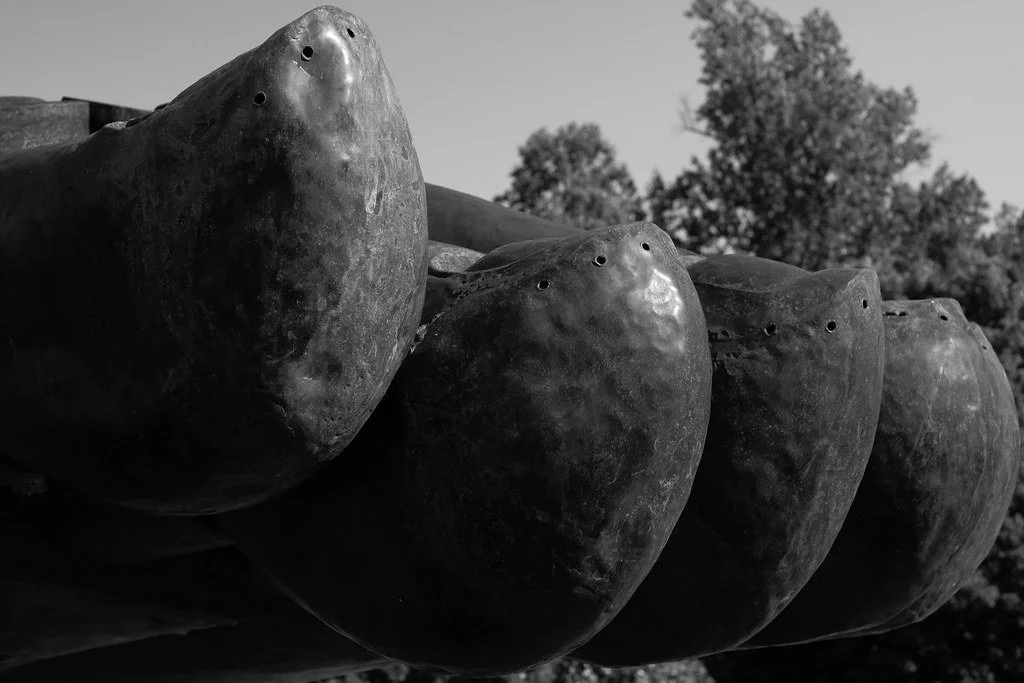
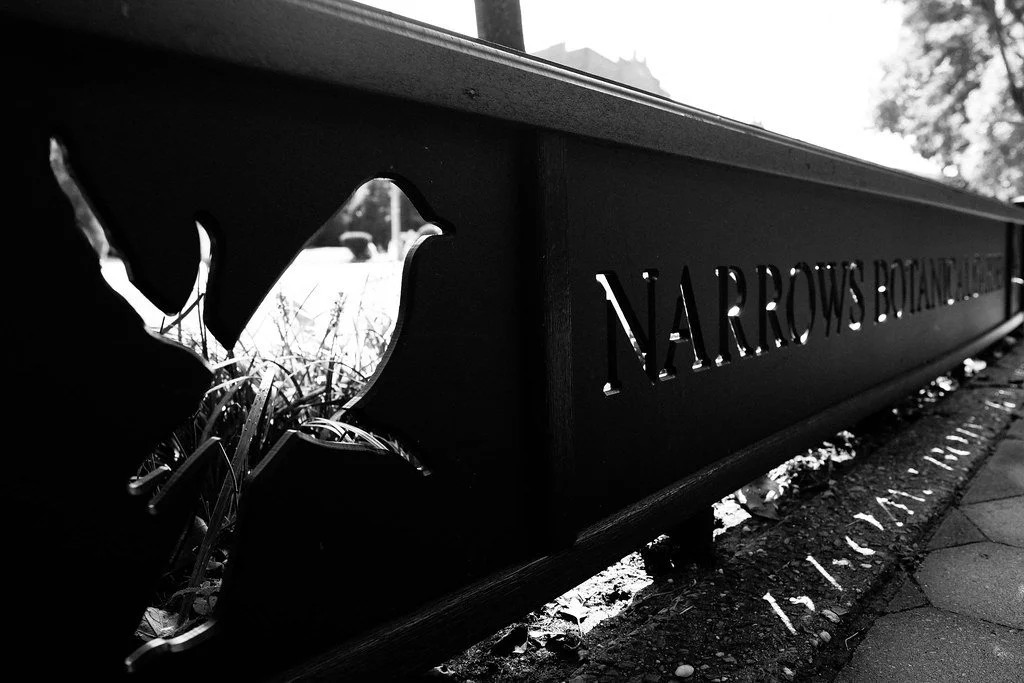
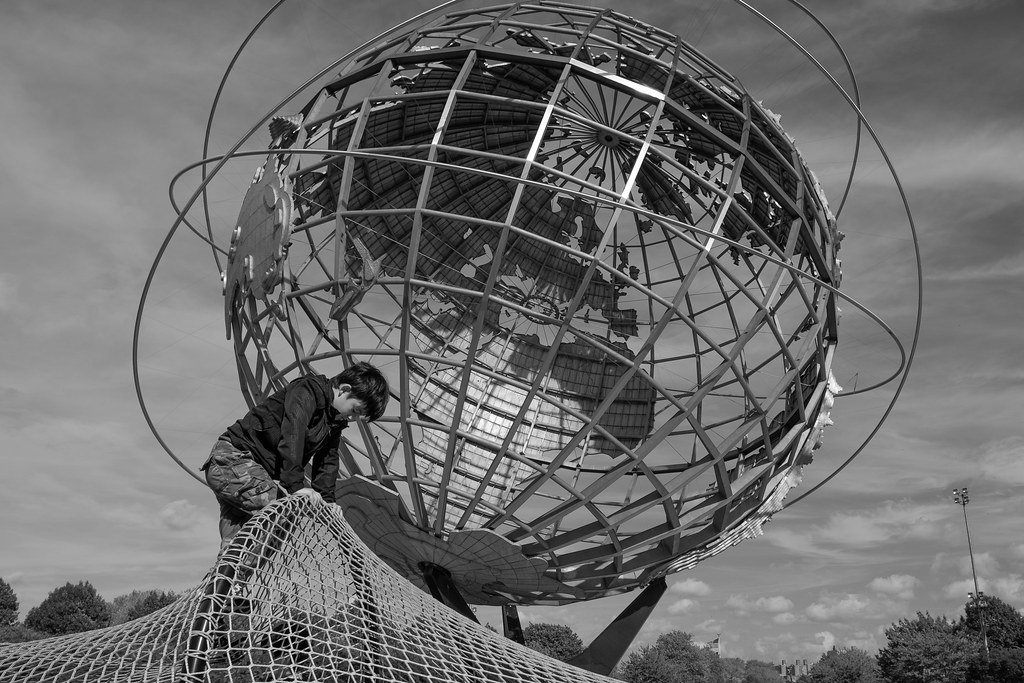
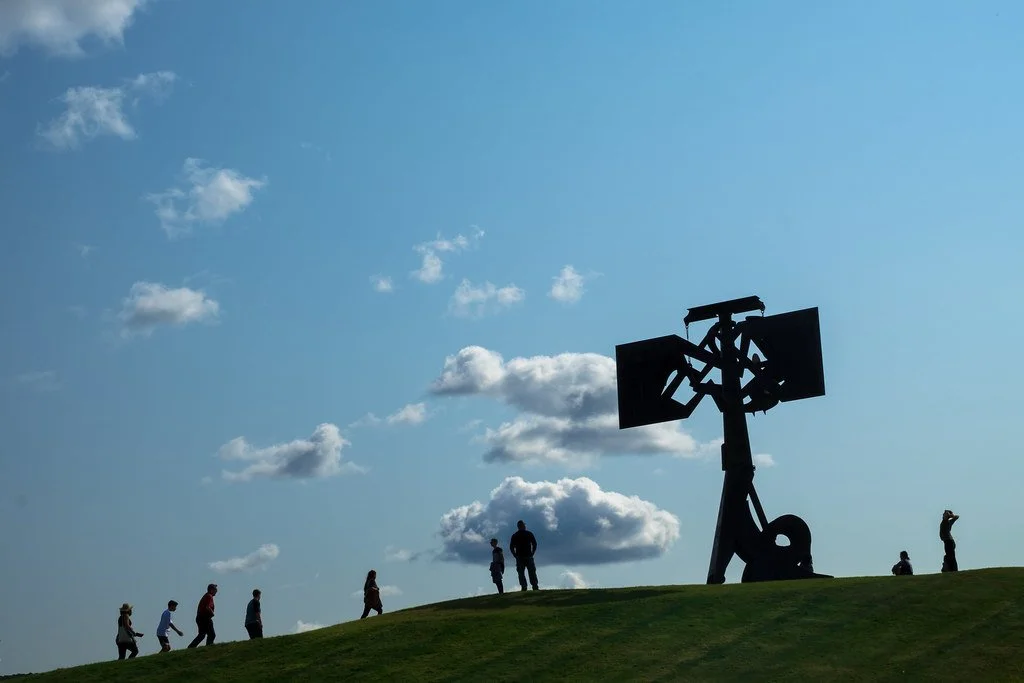
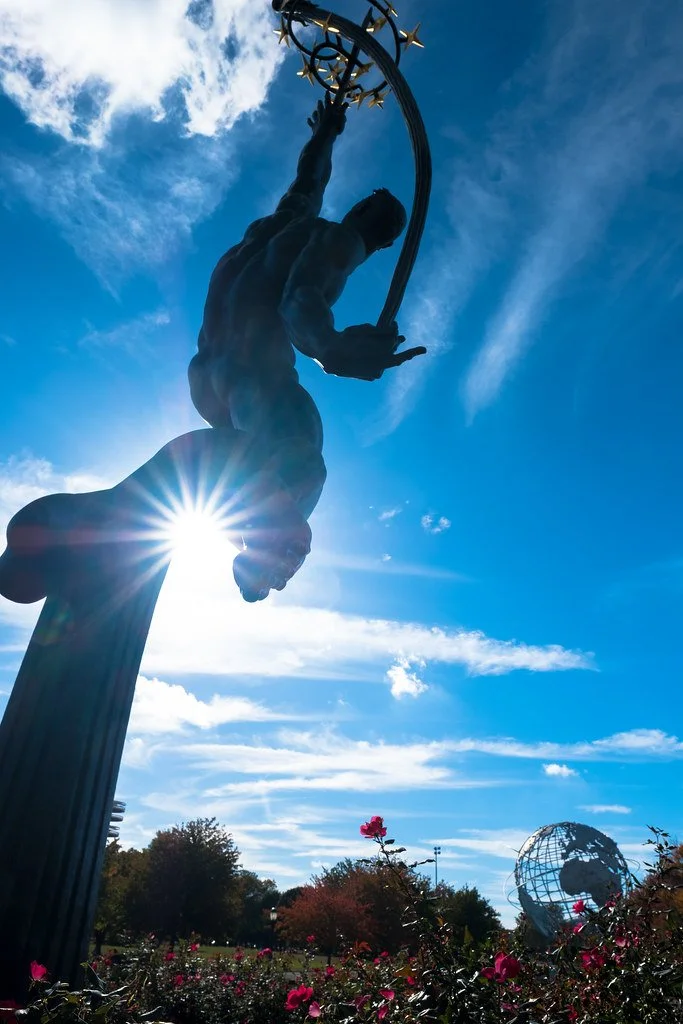
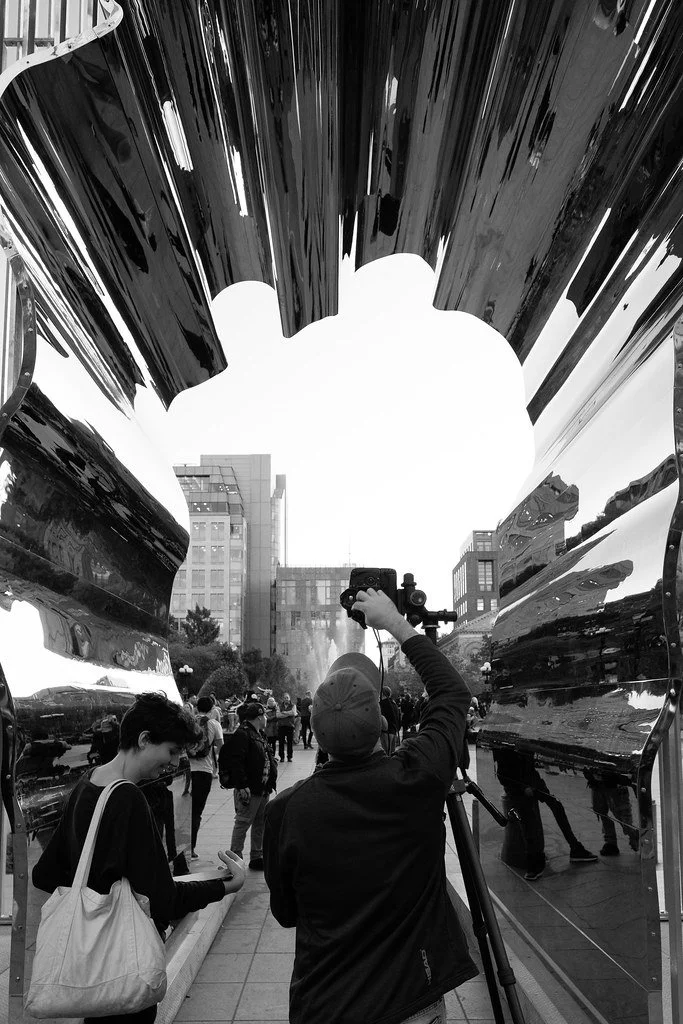
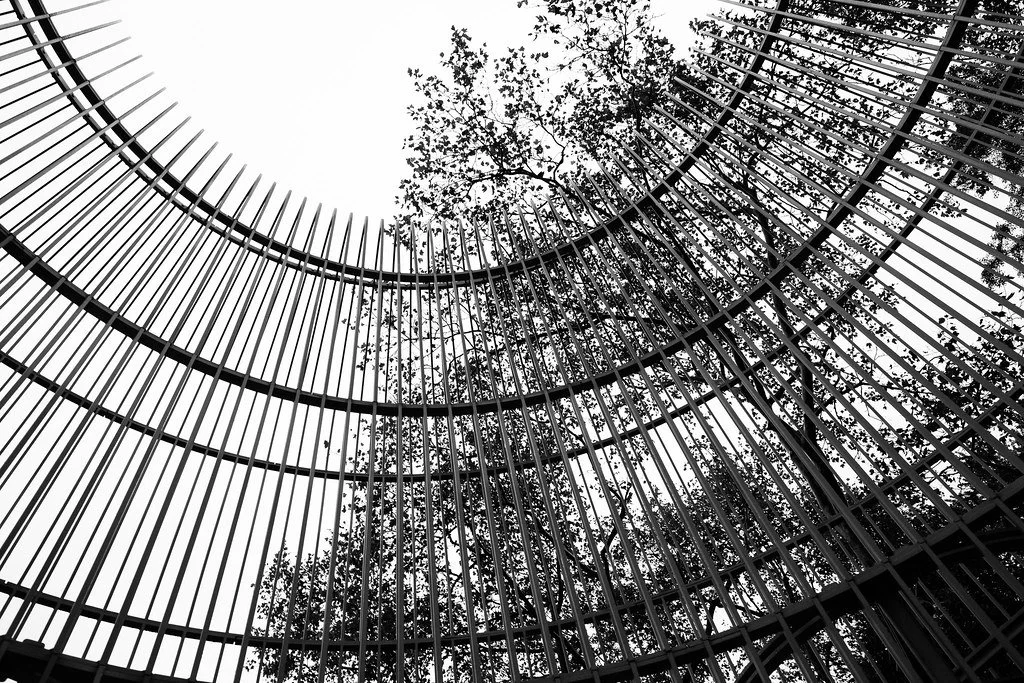
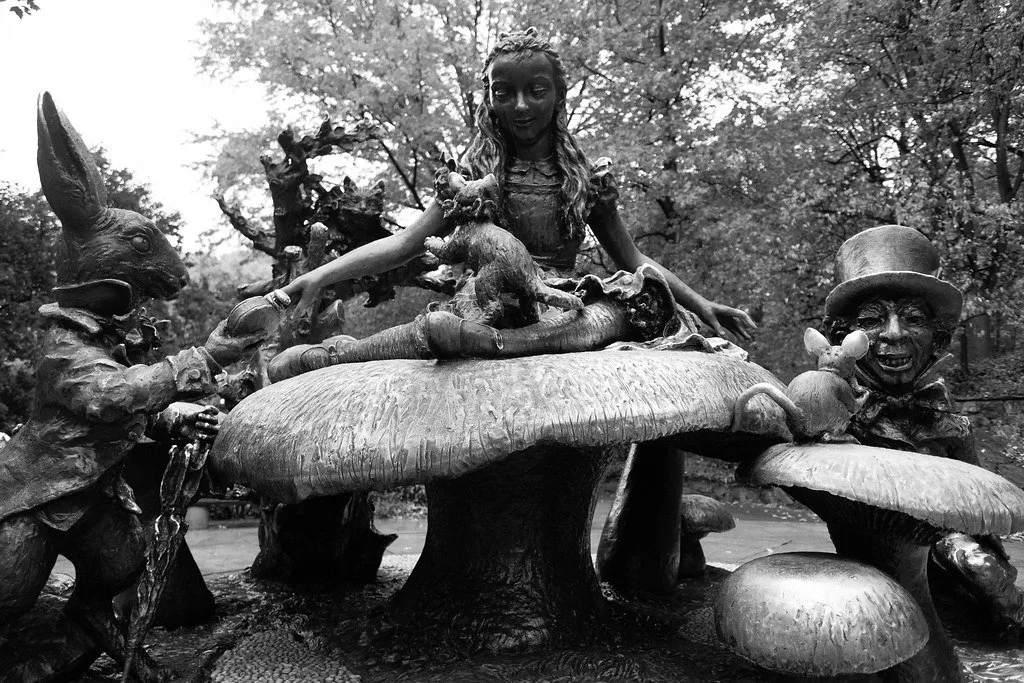
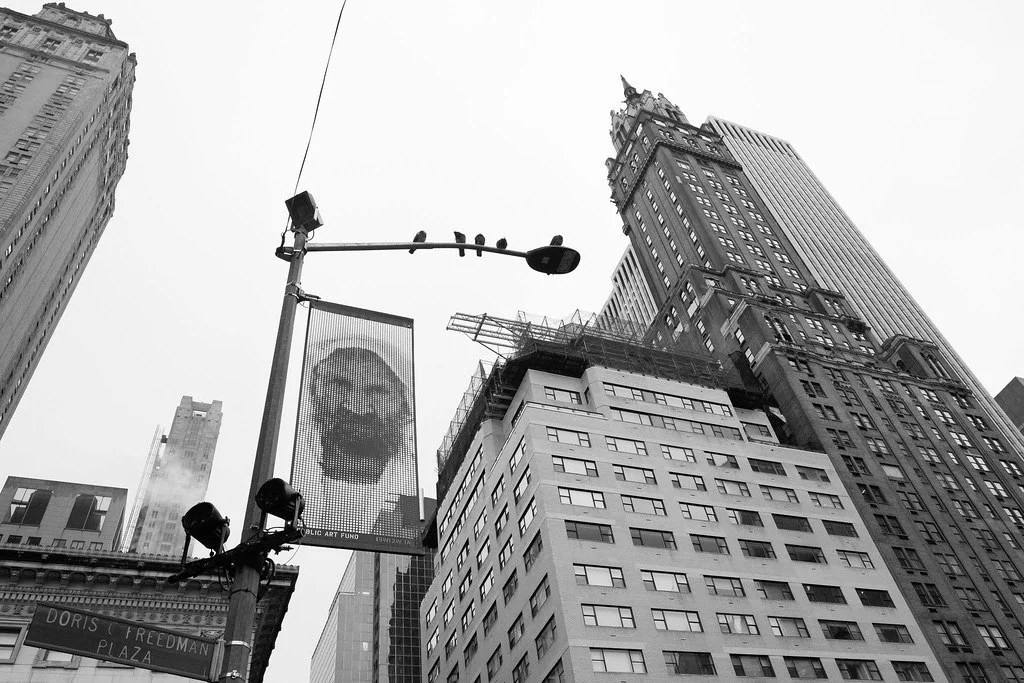
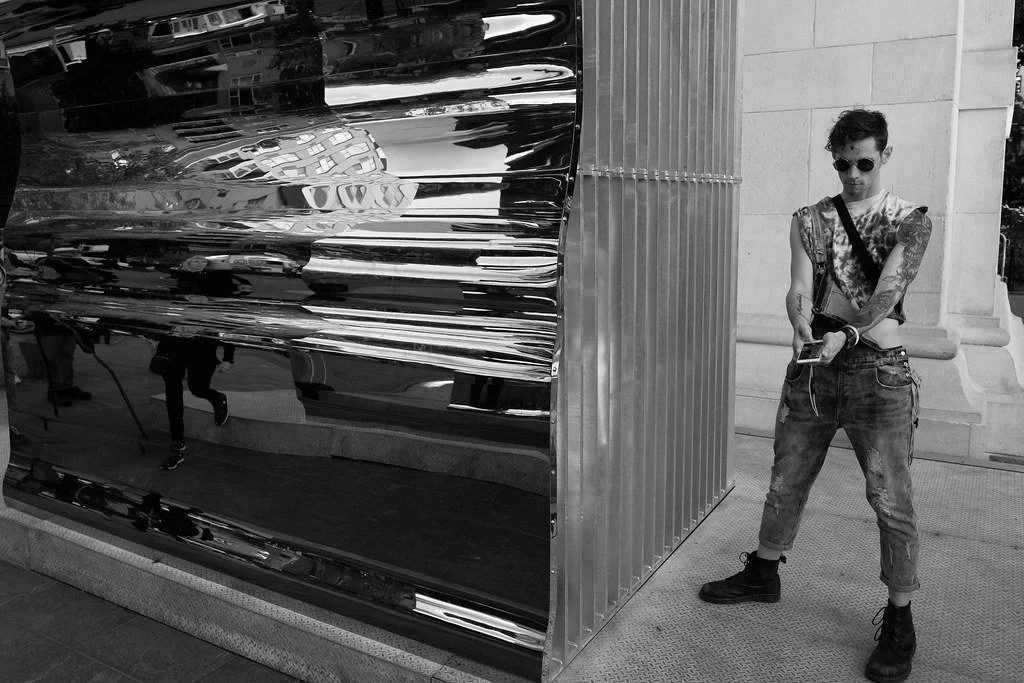
I had better luck with the Fuji camera in that I was actually able to take photos with it. I love a handful of those images. Most of them are uninspired. The ones that I love have people in them. A handful of them were taken when Gina and I went out to the sites of Ai Weiwei’s multimedia exhibition around New York City: “Good Fences Make Good Neighbors.” I remember sitting with professor Robert Harvey in his office at Stony Brook University when I was a PhD candidate and asking him if he wanted to see some of my photos. I could tell he didn’t expect much of them—I don’t think he ever expected much of me—but when he saw these he sort of perked up and emitted a surprised, “Wow.” The uninspired images had to do with me. I was uninspired. And I remember exactly when I figured out why.
Good Neighbors
I was walking around trying to take interesting photos of people in Union Square Park in Lower Manhattan and I saw a young woman sitting just opposite the playground on the north side of the park reading a book. She looked completely amazing with curly blonde hair and red sunglasses. I’m almost positive she was smoking a cigarette, which is so much cooler and sexier than vaping will ever be. And I knew without a doubt that I wanted to photograph her. The problem was that I was still shy—an affliction I suffered from most of my life, but which I’m happy to say is now in remission—and I thought I was doing street photography, so asking to take her photo was out of the question. She was also young and beautiful and I didn’t want to come off as creepy by taking photos of her without her knowing.
Around this time, Gina and I had given Zach a Canon camera with a kit lens and he got into photography a little bit. I definitely encouraged him to take photos of women while he was still young and single and handsome could do so without coming off as creepy or causing problems with the wife he didn’t have. I’m unsure if the Freudians would call this projection, sublimation, or a bit of both. At any rate, I don’t think he ever took me up on the idea.
Maybe I should have focused on photographing people then. I might even have been foolish enough to try to make a career of it. But at the time I thought I would be a professor of Literature and I sold my camera gear to buy a Fender Telecaster and a Princeton Reverb amp. I must have figured I’d have more success convincing Gina that I needed another guitar than I would have had convincing her that photographing beautiful women was a legitimate form of artistic expression.